What to Do When You Feel Disconnected from Your Partner
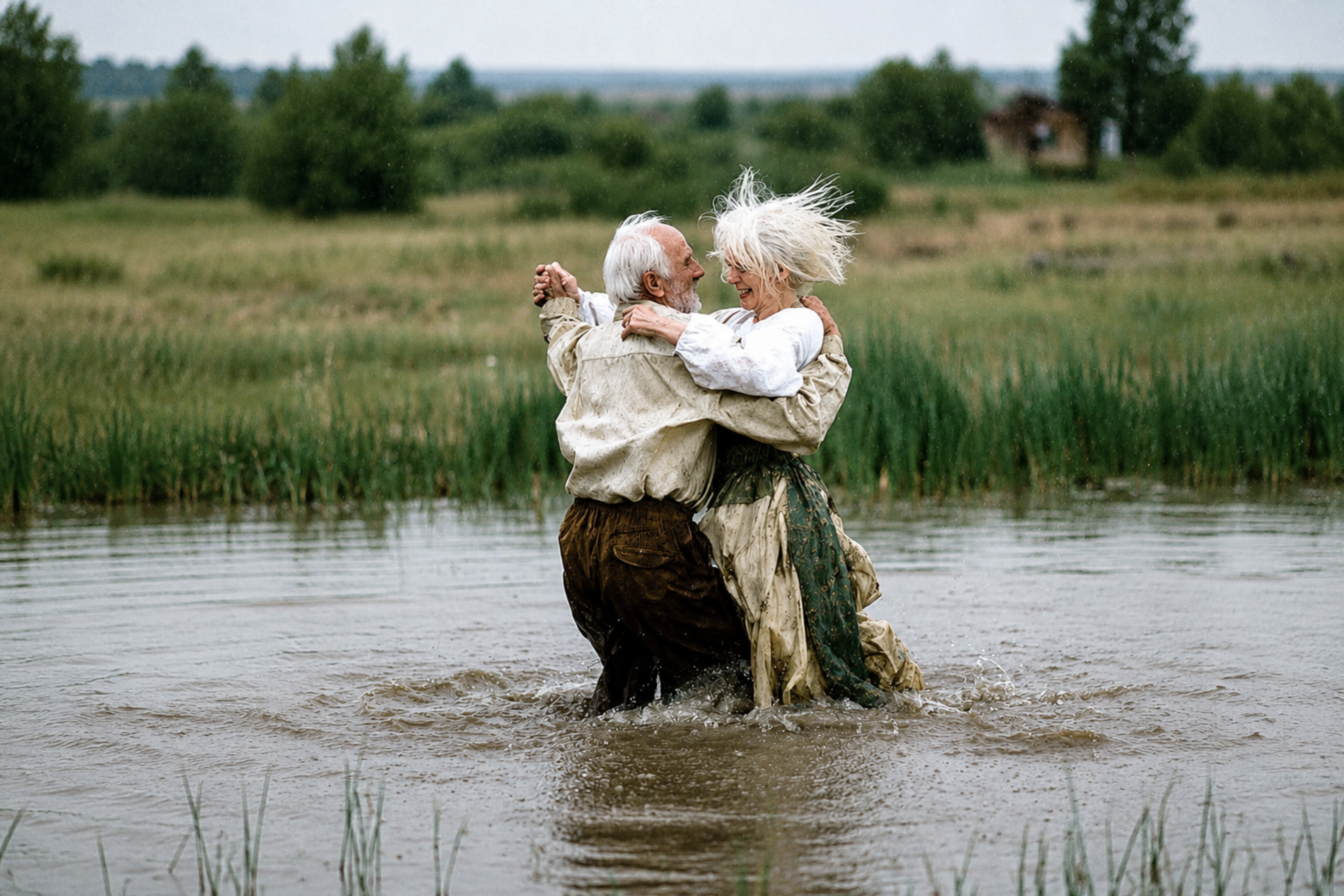
When you feel disconnected from your partner it can feel confusing and lonely. You’re not in crisis, there aren’t big arguments. On paper everything should be hunky dory, but in reality something feels… off.
The closeness that was once there feels distant, and the spark no longer feels, well… sparky.
Here’s what you might be experiencing:
Going through the motions of daily living; meals, logistics, kids’ bedtimes, but there’s no quality time for the two of you
One or both of you may have stopped desiring intimacy and sex
You feel more like flatmates than lovers
You still love them, but you're not sure you feel in love anymore
You feel alone in the relationship
You might be thinking of leaving because you don’t feel like you have a partner anymore, but there’s also a lot of good that you don’t want to give up on.
Disconnection in long-term relationships is common, and it usually creeps up on us over a long period of time.

“We’re walking contradictions seeking safety and predictability on one hand, and thriving on diversity on the other”
-Esther Perel
Reasons Why We Become Disconnected
Things Unsaid
It could be many small bumpy moments that weren’t repaired, conversations you kept putting off, or one of you not voicing your needs because you didn’t want the other person to get hurt or react. This can lead to a buildup of resentment or hurt that closes the heart.
Over-Familiarity
Esther Perrel, couples therapist and author, talks in her book ‘Mating in Captivity’ about the necessity of both risk and safety to keep the passion alive in a relationship. When we have too much safety, without excitement and novelty, the relationship can become stale.
Complacency
Complacency is rarely something we do intentionally, but when we’ve been together for years, we get used to them being there. They can become part of the furniture and we can forget that intentionally putting time and energy into nourishing our relationship is needed. If you don’t water a plant, it will eventually wither and die.
Growing Apart
Sometimes what once connected us changes. Perhaps one of you has a new interest, or a change in political values or spiritual beliefs that feels at odds with who you were as a couple. Or perhaps you were always very different, and over time that gap has grown and become increasingly painful. Our differences are often what first attract us to each other, and if we don’t learn how to find the bridge between us, distance is often the result.
These problems are common, and it can change
This is one of the most common things I work with, in couples who've been together for decades, and in couples who are much newer than that. It doesn't mean you've failed or that what you had is gone.
What it usually means is that life got full, you took your eye off the ball, and nobody taught you how to tend to the relationship. Most of us grew up without any real model for long-term intimacy.
All the movies we see are about that honeymoon falling in love phase, but we don’t really ever see what it looks like to stay in love with the challenges and demands of modern life.
That's not your fault, that’s a gap in education, and in our culture at large.
The good news? Reconnection is absolutely possible. I see it happen, often faster than couples expect. When you understand the root causes and the underlying patterns you're in and start doing things differently, the relationship can come back to life.
What we actually do together
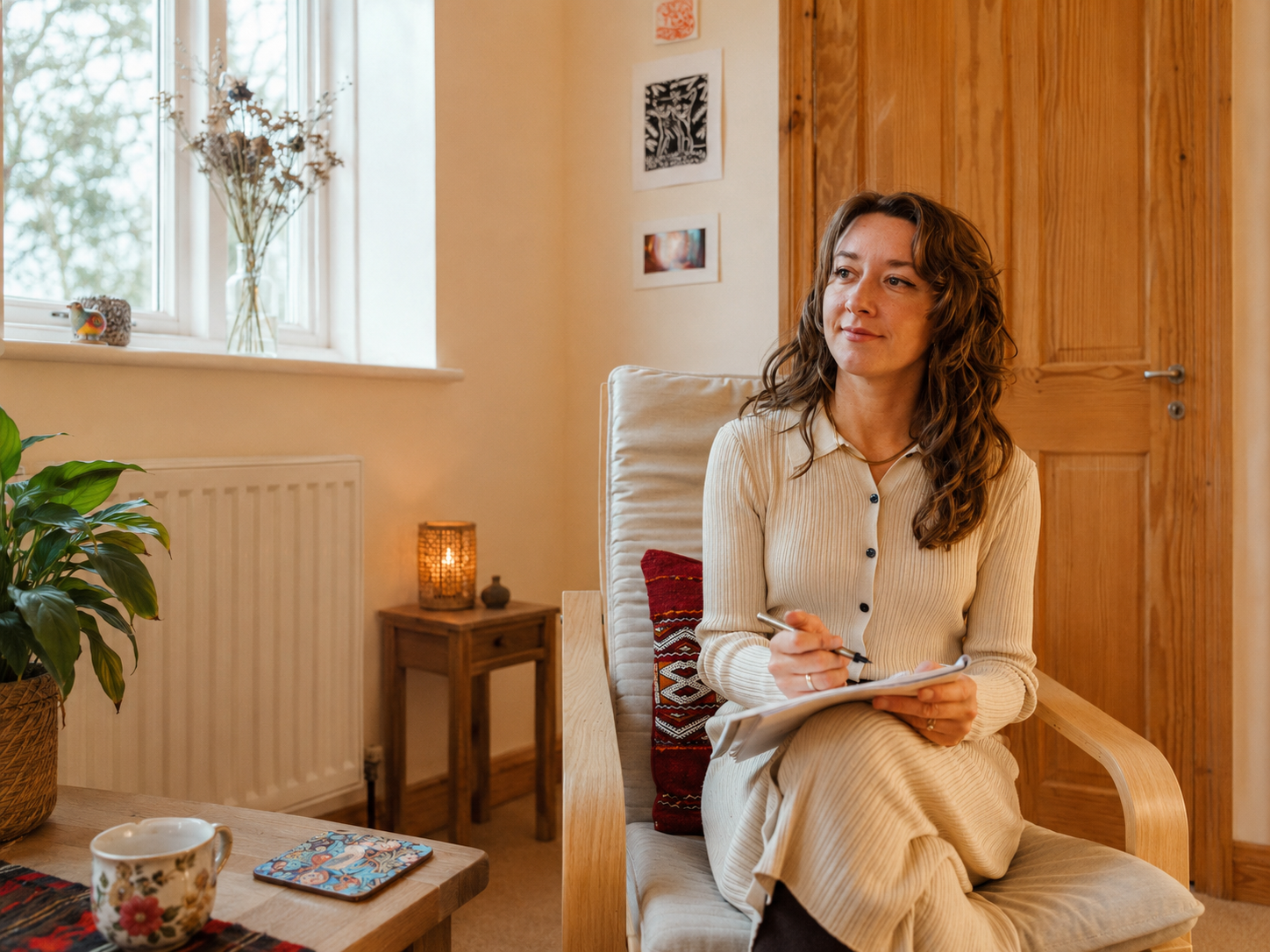
When you come to coaching feeling disconnected, we start by getting curious.
1. Map the pattern
We look at the closeness-distance dynamic between you. Who moves towards, who moves away, what triggers each of you, and why. Often, just naming the pattern clearly brings enormous relief. "Oh. We've been doing this."
2. Go to the root
We look at where your styles of relating came from. What you each learned about love and intimacy growing up. This helps us to understand why you do what you do. We then learn skills to support these younger versions of yourself so you can grow beyond your relational patterns and come back to connection.
3. Repair relational wounds
Sometimes we need to revisit past wounds within the relationship. It may be an obvious rupture that’s been creating a block, or it could be that something important hasn’t been happening for a long time. I offer a structured process for you to talk about things in a way that you both feel heard, receive the healing you need, and can then move on.
4. Rekindle aliveness
Intimacy is created through clear communication, trust and repeated action. We work on rebuilding physical and emotional intimacy by learning how to express and negotiate what you want and need. I will offer various practices that support you to drop back into your hearts, and re-experience the closeness of connection you once had. These practices are yours to take with you, and will be what enables you to keep the spark alive once we’ve completed our journey together.
I'm not a passive listener in the room. I will name what I'm seeing, offer direct and loving feedback, and give you concrete things to try between sessions.
This approach is different to traditional couples therapy.
I will not let you do the same thing you do at home. I get in the ring with you, intervene when I see things going sideways, and offer direct and practical solutions in the moment to shift your dynamic.
If you'd like to explore what support could look like for you, check out my couples coaching page or book in a free discovery call.
Where to go Next?
Active Listening
If you keep interrupting each other or don’t feel like you’re really able to hear or understand each other

Empathetic Listening
If you’re getting stuck arguing over the details, or struggle to see things from their perspective.

Relational Check-In
If you’re struggling to find time for meaningful conversations, or feel like challenging processes are taking up too much time in your relationship.