Why Your Communication is Breaking Down And How to Improve it.

Every couple tells me they want better communication
But here’s what you don’t know.
In my practice I often hear things like
"My partner doesn't listen to me."
"We can't seem to talk without it escalating into an argument."
"I keep shutting down and I don't know what to do about it."
"I'm scared to tell the truth because I don’t want to hurt my partner."
If you relate to any of these sentences, welcome to being human.
Communication in relationships can be challenging and confusing, especially when the stakes are high and our hearts are on the line.
Here’s what’s really going on.
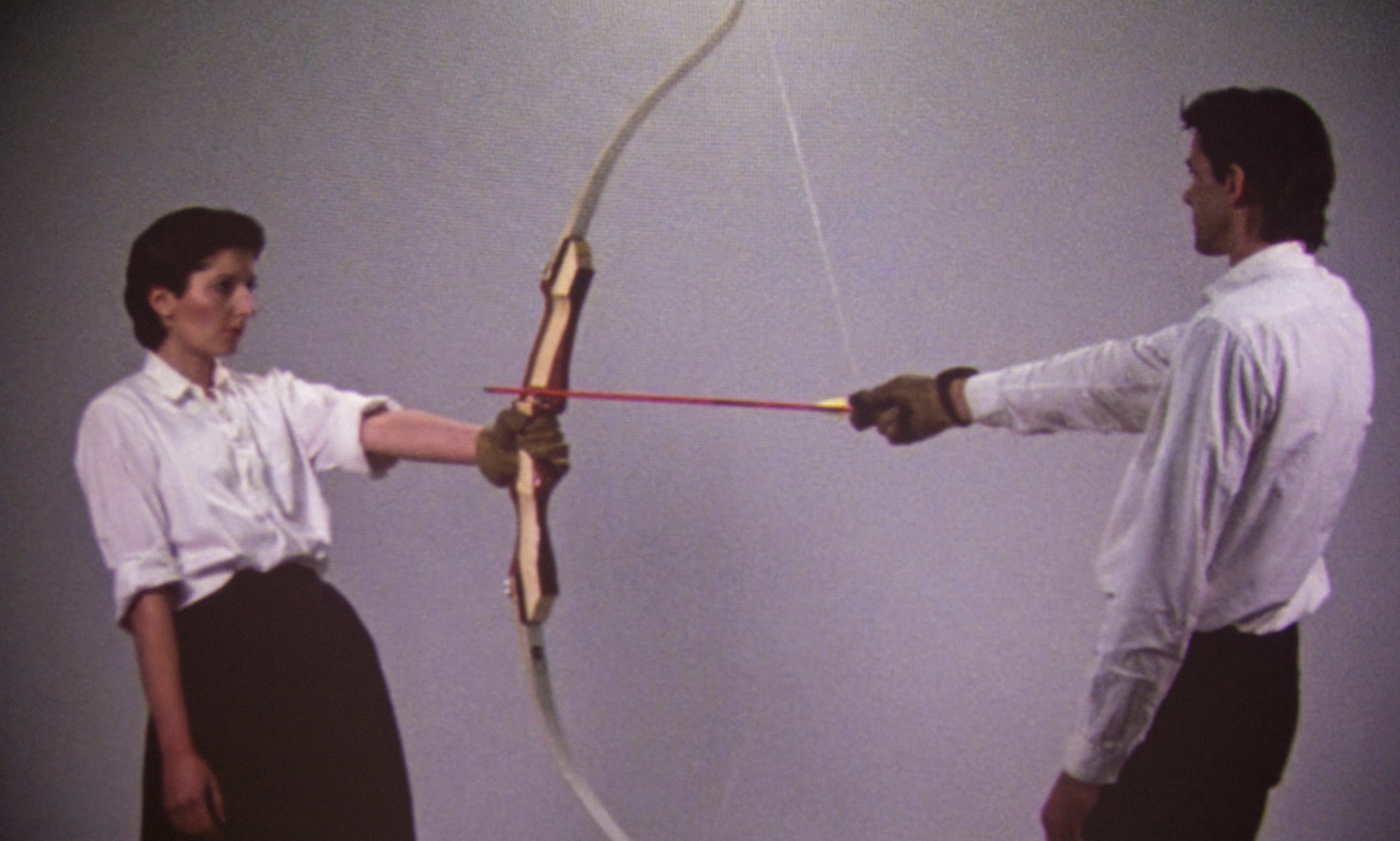
“Good people
Bad dynamic”
-Terry Real
Why has our communication broken down?
It can feel mysterious that the person we love more than anyone can be the cause of so much pain. This Terry Real quote sums it up: "Good people, bad dynamic."
Most couples make the mistake of getting stuck in the content, the things that happened to cause the rupture, or the things that haven't happened that create distance.
In Relational Life Therapy (RLT) we look to the root cause of why communication breaks down, which is the dynamic between you.
When the dynamic shifts, the communication improves. Because in most cases it's the way you're having the conversation, not the content of it, that's the problem.
What is a relationship dynamic?
Your relationship dynamic is how you effect each other when one or both of you become triggered.
Being triggered is when something your partner says or does, or doesn't say or do, activates a strong emotional reaction that feels bigger than the moment warrants. Your nervous system goes into alarm, and from that place you're no longer responding to what's in front of you, you're responding to something older and deeper, a wound that was created in early life that feels familiar enough to the current situation.
Reactivity isn’t always big and loud - it can also look quiet - like bottling things up or being overly accommodating.
Ways we react when we’re triggered:
Becoming loud and aggressive, controlling or demanding
Being emotionally withdrawn, passive-aggressive or overly analytical
Losing yourself in the other, people pleasing or giving in to keep the peace
Shutting down, feeling hopeless, or bottling things up
When one person reacts it usually triggers the other person to react. Suddenly you're both operating from a place of anger, hurt or fear rather than maturity, wisdom and compassion.
An example of when our triggers collide:
Sally is upset because she wants Fred to initiate more physical contact. Fred finds this topic difficult and gets triggered. His reaction (which is automatic by the way) is for his mind to go blank, he’s physically in the room but he starts zoning out. Sally thinks he's avoiding the conversation, his lack of emotion and eye contact seems evidence that he isn’t really listening. She starts talking louder and faster, trying her best to be heard. The more she does this, the more overwhelmed Fred gets. He feels attacked and becomes even quieter. Eventually Sally gives up and walks out.
Later they make up. But the issue hasn't been resolved.
You don’t have a choice
This one is really important - neither you or your partner are choosing to get triggered, and neither of you are choosing to be reactive. So give yourselves a break.
These are automatic, unconscious behaviours that we learned long ago that are designed to protect us.
But there is something you can do about it.

We’re using outdated and dysfunctional styles of communication that have been passed down through the generations.
The Pattern can Change
The good news is that our reactive patterns and dysfunctional communication styles aren't fixed.
We can learn how to manage ourselves, in the heat of the moment, so that over time we are less reactive, and able to respond with kindness, maturity, wisdom and respect.
Communication is a skill, and like any skill, it can also be learned. I see couples who've been having the same argument for twenty years shift something significant within a few months because they finally understood what was actually happening and had tools to do something different.
What we actually do together
1. Map the dynamic
We start by looking at who reacts in what way, what sets each of you off, and where those reactions come from. Naming this clearly tends to bring some relief as the dynamic is demystified. Having this awareness is the first step to doing something differently.
2. Learn to regulate
Understanding the pattern is one thing, but it’s often not enough to make things shift. The next step is learning how to recognise when you're becoming reactive, through your body signals and thoughts, and how to break the circuit before it takes over. This is the foundation on which everything else is built on. This is sometimes achieved through inner child work, and other times through embodiment, meditation, breathwork or parts work. (Here’s a simple PAUSE technique you can practice)
3. Build new communication skills
Once you’ve learned how to regulate in the heat of the moment you can then effectively use communication tools. Without step 2, the tools often get weaponised.
Most couples are making the same handful of mistakes without realising; arguing over the facts instead of listening to the feelings, talking over each other, keeping the peace at the cost of honesty or getting caught in a me vs you battle.
I'll teach you specific, practical tools that change this. How to take turns so someone is actually listening. How to tell your partner something difficult in a way they can hear. How to create space for honesty without it turning into a fight.
This approach is different to traditional couples therapy.
I will not let you do the same thing you do at home. I get in the ring with you, intervene when I see things going sideways, and offer direct and practical solutions in the moment to shift your dynamic.
If you'd like to explore what support could look like for you, check out my couples coaching page or book in a free discovery call.

The five most common communication mistakes and what to do instead
In my work with couples I see the same fallacies come up again and again. These are thoughts or beliefs about the way we communicate that don’t really work.
Click through to read about each and discover the tool to combat them.
-
When you're both trying to be heard at the same time, nobody is listening. The tool that works wonder for this is Active Listening - a structured way of taking turns that slows everything down and makes your partner feel genuinely heard. [Read more →]
-
I've personally spent many hours trying to agree on the facts and getting more tangled up. In relationships there are two realities - yours and mine. The day you let go of needing to be right is the day you'll start experiencing dramatically more intimacy. The tool here is Empathic Listening. [Read more →]
-
When things go unspoken, resentment builds, your heart closes off, and you may begin to doubt the relationship. There's a saying in RLT: dare to rock the boat. The tool is a structured weekly Relational Check-In. [Read more →]
-
There's a difference between unbridled self-expression and relational self-expression. Unloading on your partner, though it may feel good in the moment, is the fast track to a trigger-fest. The tool is The Feedback Wheel, a structured way of telling your partner what’s upset you that they will actually be able to hear, and a way to repair and reconnect. [Read more →]
-
Pushing through a conversation that's already escalated doesn't get you resolution, it gets you more damage. The tool here is a Time Out. It’s a way of taking space that secures your partner in the process, and looks after you both [coming soon →]
Where to go Next?
Active Listening
If you keep interrupting each other or don’t feel like you’re really able to hear or understand each other

Empathetic Listening
If you’re getting stuck arguing over the details, or struggle to see things from their perspective.

Relational Check-In
If you’re struggling to find time for meaningful conversations, or feel like challenging processes are taking up too much time in your relationship.