
What is Relational Life Therapy?

One of the most powerful aspects of relationship coaching and therapy is realising
you’re not the only ones…
Talking about our relationship challenges can feel taboo. As a result we often end up thinking that we're the only ones struggling, while everyone else has it all figured out.
This simply isn’t true.
You're not alone.

These are challenges I see all the time:
Whether you're single or in a relationship, working with me individually or as a couple.
Recurring arguments that go nowhere, leaving you both feeling unseen and unheard
The closeness-distance dance: one partner craving connection, the other needing space, which feels extremely uncomfortable for both of you
Lost spark: you've been together for years but the connection feels flat, with little to no intimacy or sex
Reactive patterns: you trigger each other and end up acting in ways that are hurtful or self-abandoning, feeling powerless to stop
Broken trust: whether through infidelity, lies, or betrayal, you're struggling to repair and move forward

“How can you put a price on something that helps you rediscover the love and joy you have for your partner after a really challenging period?”
— Anna
Break Free of Stuck Patterns
I am a certified practitioner of Relational Life Therapy (RLT) created by Terry Real. This is a hands-on approach, rooted in neuroscience and family therapy that teaches you the tools to transform your relationship (and deals with the part of you that doesn’t want to use them).
It combines a therapeutic approach, looking to the past to understand where patterns have formed, with a coaching approach, practical tools that help you do something different.
Unlike traditional couples therapy or marriage counselling, where there isn’t as much intervention from the practitioner, in RLT we say it like we see it, and we offer effective solutions.
We’re direct about what’s going on, we teach you how to stop reacting, and start communicating differently so that you can repair past ruptures and begin creating the relationship you want from the get-go.

Three phases of
Relational Life Therapy
Step 1
IDENTIFYING THE DYNAMIC
First, we map the pattern clearly - what you (and your partner, if you're in couples coaching) do that keeps the cycle spinning
Step 2
INNER CHILD PARENTING
Whether you get defensive, avoidant, explosive, or shut down, these reactions are protective strategies you learned in childhood. RLT helps you recognise and manage your reactive inner child parts, so they don't run the show.
Step 3
RELATIONAL SKILLS
With more awareness and agency, you can make new choices. You'll learn practical skills to navigate rupture and repair with grace. Skills that will sustain a healthy, authentic relationship long after coaching ends.
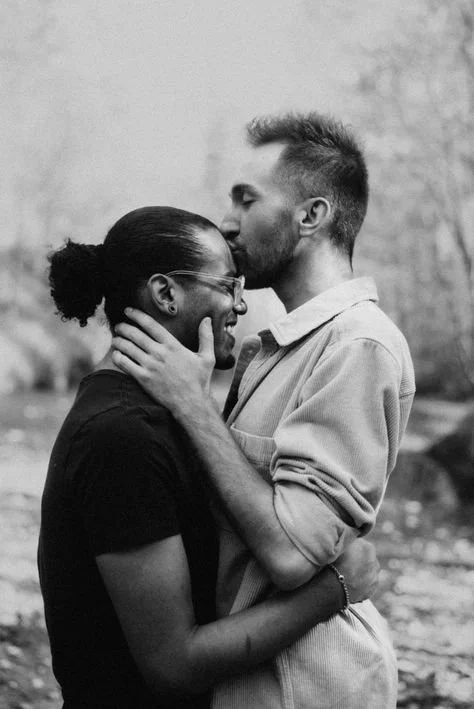
“The tools we've learned have given us so much more space for patience, fun and understanding.”
— Amber
Learn Relational Skills
Relationship and Couples coaching provides a shared language to understand what’s happening in your relationships and the practical tools to transform them.
It's a bit like learning to ride a bike or play an instrument - it might feel clunky at first, but once you get the hang of it, your relationship becomes a source of joy, safety, and aliveness.
Skills I Teach:
Self-Regulation – Learn to self-soothe so you don’t shut down or act out in the face of difficulty
Feedback Wheel – Move through rupture and repair cycles effectively and rebuild trust
Active Listening – Communicate so you feel truly seen and understood
Love Languages – Identify and negotiate your needs so you both get the love you want
Boundaries Work – Set healthy limits and ask for what you need
Emotional Intelligence – Enhance your empathy so you can better attune to other’s emotions and needs
Relational Time-Out – Take space in a way that feels secure for the other person
Containment & Vulnerability – Express emotions without overwhelming or shutting out your partner
Intimacy Practices – Experience exercises that drop you into your heart together, creating moments where you feel deeply connected

“Gaia was amazing at showing how to observe our automatic reactions, self-regulate through grounding techniques and bring us back into co-regulation”
— M
Video introduction to Relational Life Therapy (RLT)
Over time these profound tools become integrated into your daily life. You stop living out automatic reactions and learn how to stand up for yourself with love, and be a mature and supportive partner. The change continues to ripple out long after our time together has ended, not just in your romantic partnerships, but in all your relationships.
If you feel a spark of hope reading this I’d love to hear from you.
I offer a free 30 minute intro call so we can get to know each other. Within half an hour you’ll already have more of an insight into what’s going on, and you can decide in your own time if you're ready to commit to working together.
Whether you're seeking couples therapy, marriage counselling, or individual relationship coaching, RLT offers a proven path to lasting change.

Frequently Asked Questions
-
Relational Life Therapy bridges the depth of therapy with the practical focus of coaching. Unlike traditional therapy that can spend months digging into the past without clear progress, I combine both understanding and action. We'll identify the destructive patterns you're stuck in, explore where they come from (often rooted in childhood experiences), and then teach you practical skills to respond differently in the moment.
You'll learn to recognise your triggers, heal trauma by reparenting your inner child, and show up with greater emotional maturity. This means you're not just learning communication techniques—you're actually healing the wounds that drive the dysfunctional patterns. The combination of the two is what creates profound transformation and lasting change.
-
Don't wait until you're at breaking point. The best time is when you first notice patterns that won't resolve—recurring arguments, feeling disconnected, or sensing something is off. Early intervention prevents small issues from becoming major problems.
That said, it's never too late. I work with couples at every stage, from those wanting to strengthen an already good relationship to those who feel they're seriously considering separation.
-
This is extremely common, and here's the good news: you don't need your partner's participation to transform your relationship. When you change how you show up—when you learn to manage your triggers, regulate yourself, and respond with more skill—the entire dynamic shifts.
I can work with you individually to understand your patterns, reparent your inner child, and develop the skills to break cycles. Often, when your partner sees the positive changes in you and experiences the relationship improving, they become more open to joining sessions later.
I also recommend asking your partner to listen to a podcast with Terry Real to understand a bit more about the RLT approach which is very different to other forms of therapy. This recent one with Mel Robbins is great. -
The short answer is not really! Getting couples support near the beginning can actually be the best time, especially if you’re already noticing ways that you rub up against each other, or that familiar patterns you experienced in old relationships are coming up in this new one. This is because we can more easily course correct, and create healthy relating habits when there aren’t years of resentful and deeply ingrained patterns to break.
-
Most couples see significant shifts within a three month period which is somewhere between 6 and 12 sessions. Unlike therapy where you might talk for months without clear progress, my approach delivers tangible results quickly because we're working on both the root causes (childhood patterns, triggers) and practical skills simultaneously.
Most couples will work with me over a 3 month to year period.
For this work to feel truly integrated, and the skills to become second nature it usually takes around 2-5 years. The initial rewiring of the brain can be quick, but embedding the new neural pathway takes time and regular practice. Think of a well trodden path in the forest - that’s your old way of being - we’re cutting a new path with a machete - and it needs maintaining regularly until the old path has overgrown, and this becomes the new way. -
There are some preconditions that render relationship coaching ineffective, which are:
Unaddressed PTSD or CPTSD
Unaddressed addictions, including alcohol, substances, porn, sex addiction or disordered eating
Unaddressed mental illness including depression or acute anxiety, BPD
If you are experiencing any of the above but you are taking active steps to addressing them, which may look like therapy, 12 steps, medication, or some other approach, then we can work together. Please disclose this information when contacting me and I will assess in our discovery call if I feel it’s a good fit.
While my work has a therapeutic component to it, I am not a psychotherapist, and if you have significant past trauma that you haven’t previously addressed in therapy I would suggest doing some 1:1 therapy first. I recommend EMDR or Somatic Experiencing as effective approaches for PTSD or CPTSD.
-
Sessions are active, deep, and focused. Often you’ll come with a specific problem or incident you want to address. This will be our starting point.
I offer direct and kind feedback about what I'm observing in your dynamic, and what each of you are contributing.We’ll identify the root causes of these issues and you’ll learn to respond from a place of emotional maturity rather than reactivity.
Some sessions may focus more on your past and we’ll do focused trauma healing through guided inner child work which will support you to soothe yourself in moments when you want to act out - (we’ll only do this deep work if this feels right and comfortable for you.)
Other sessions will be more practice based; learning communication tools together, and you'll leave with specific exercises to continue the work between sessions.I am not a passive bystander, I get in the ring with you - pointing out specifically where you’re going wrong, and offering suggestions for how to communicate and respond with greater skill and efficacy.
-
Most couples start with weekly or bi-weekly sessions to build momentum. As you develop new patterns and skills, we can space sessions further apart. The goal is to equip you with tools that last long after our time together ends - you're learning to reparent yourself and meet your partner from a more grounded, mature place.
Once you’ve reached a place of stability some couples choose to keep up with regular monthly check ins with me as a top up until that no longer feels needed. -
Many of my clients are neurodiverse, and it often brings up specific challenges in relationships.
I have. anon-pathologising approach and work to understand each of you individually, and how neurodiversity may be impacting you both.Shame on one side and frustration on the other are very common experiences in these cases. I seek to build a sense of understanding and compassion for each other, supporting you to take responsibility for how your neurodiversity may show up, without shame or blame.
This can look like education around neurodiverse traits, and creative problem solving to understand the specific pain points, coming up with solutions that work for you both.In some cases seeking external support from an ADHD or autism specialist can be of great benefit.
-
I am experienced in navigating the terrain of non-manogamy, both with my clients and my own personal experience of being in a non-manogamous relationship for 10 years.
I have personal insight on the highs and lows, and offer practical and grounded support for how to navigate jealousy, negotiating agreements, repairing broken boundaries so that you can experience the joys of freedom without sacrificing the need for safety.
-
Many of my clients are LGBTQ+. I identify as a cis-gendered bisexual woman, and offer a non-judgemental space for you to work on your relationship, with awareness of how sexual orientation and gender identity impact our protective strategies, childhood trauma and our relationships, particularly if you are considering transitioning whilst in a relationship or wanting to come out to your partner.
-
Yes. Rebuilding trust after betrayal is one of the most painful relationship challenges, but it is absolutely possible with the right support. We'll work on understanding what led to the breach (often unmet needs or unhealed wounds from childhood), creating transparent communication, and learning to regulate the intense emotions that come up.
Both partners will do inner work—the one who broke trust will work to understand what led them to break the agreement, and take responsibility for their actions, while the hurt partner learns to process their pain without staying stuck in it, or lashing out. This takes time and genuine commitment, but many couples emerge with a deeper, more honest connection than they had before.
-
This is exactly what I specialise in. Repetitive conflicts mean you're caught in a pattern—and those patterns usually have roots in how you learned to get your needs met as children. We'll identify what's really underneath these arguments (it's rarely actually about the dishes or whose turn it is), understand what triggers you both, and teach you how to recognise when your inner child is reacting versus responding from your adult self.
You'll learn to interrupt the cycle, soothe yourself in the moment, and have productive conversations where conflict resolves instead of escalates. Once you understand the pattern and have the tools, you can break free.
-
Absolutely. Feeling more like flatmates than lovers is incredibly common, especially after years together, life stress, or with young children. This often happens when we're disconnected from ourselves and our needs, not just our partner.
In coaching, we'll explore what's blocking intimacy, work on reconnecting emotionally first, and then create practices that help you feel alive together again. You'll learn to communicate desires, create space for pleasure and play, and remember why you fell in love. We’ll work together to come up with practical and doable ideas to reinvigorate your relationship that you’ll implement between sessions.
-
This is one of the most common issues, and it's completely solvable. When communication triggers fighting, it's usually because one or both partners are reacting from childhood wounds rather than responding from a grounded, adult place.
We'll work on understanding your nervous system responses—are you a fighter, fleer, or freezer when triggered? You'll learn specific tools to stay regulated when emotions run high, recognise when your inner child has been activated, and communicate in ways that create connection rather than defensiveness. Most couples are amazed at how quickly explosive arguments can shift to productive conversations once they understand their triggers and have practical skills.
-
Traditional counselling often focuses heavily on the past or spends hours in circular discussions. While I do help you understand where your patterns come from, we don't get stuck there. We identify the childhood roots of your struggles, do trauma work with guided inner child visualisations, as well as focusing on what you can do differently now.
You'll get direct, loving feedback about what I'm seeing in your dynamic, practice regulating your nervous system in real-time, and learn a whole new skillset for improving your communication skills so you can navigate conflict effectively, learn to negotiate your needs and boundaries, and build lasting intimacy.